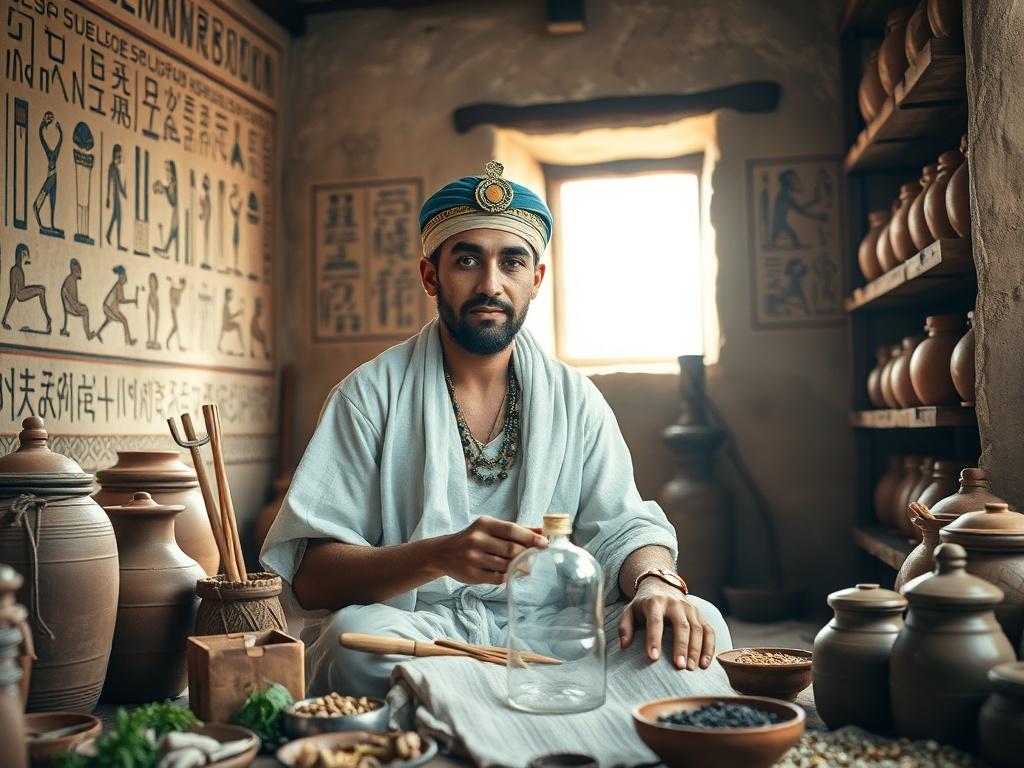
Welcome to our exploration of medicine in Ancient Egypt, where we journey back in time to uncover the intriguing healing practices of one of history's most fascinating civilizations. As your tour guide through the annals of ancient medical wisdom, we will dive deep into the herbal remedies, surgical techniques, and spiritual beliefs that shaped healthcare in this remarkable culture. From the bustling streets of Thebes to the sacred halls of temples, you'll discover how ancient Egyptians treated ailments and revered the art of healing.
In this blog post, we will also examine iconic herbs and their uses, revealing the natural treasures that played a pivotal role in Ancient Egyptian medicine. Furthermore, we will explore the significant role of temples as centers of healthcare, where priests served as both healers and spiritual guides. Join us on this enlightening tour guide to Ancient Egypt's medical landscape, and gain insight into how their innovative approaches continue to inspire modern medicine today.
Exploring ancient Egyptian healing practices: A tour guide to the past
Ancient Egyptians mastered the art of healing long before modern medicine emerged. Their practices blended practical knowledge with spiritual beliefs, shaping a unique medical landscape in which physical treatments coexisted with divine interventions. Physicians, known as swnw, wielded extensive knowledge of anatomy, herbal remedies, and surgical techniques, creating a holistic approach to healthcare. As you navigate through the fascinating world of ancient Egyptian medicine, appreciate how these early healers understood the balance between body and soul, frequently incorporating rituals and sacred texts into their healing methodologies.
In ancient Egypt, medicine functioned as both a science and a spiritual journey. Medical papyri, such as the Ebers Papyrus, documented treatments, cures, and a plethora of diseases that plagued the society. Embrace this tour guide as we delve into the various healing practices, from bloodletting to the application of poultices, revealing how ancient Egyptians treated ailments ranging from simple wounds to complex disorders. By immersing yourself in their practices, you will uncover the resilience and resourcefulness of a civilization that laid the groundwork for many modern medical practices still in use today.
Iconic herbs and their uses: Your tour guide to ancient Egyptian medicine
Ancient Egyptians relied heavily on a fascinating array of herbs for their medicinal properties, some of which have become iconic in holistic practices even today. Among these, garlic stood out as a potent healing agent, believed to boost strength and immunity. Bloodstone, revered for its supposed ability to improve circulation, found its place in a variety of treatments. The ancient Egyptians also utilized myrrh, not just for its aromatic qualities in embalming, but for its anti-inflammatory and antiseptic properties. As a tour guide to this ancient healing world, one can truly appreciate how these herbs were not just ingredients but integral components of a broader medical philosophy that highly valued natural remedies.
In addition to their remarkable properties, many of these herbs came with rich mythological and spiritual significance. For example, the goddess Hathor, associated with healing and protection, was often depicted alongside healing plants like holy basil and juniper. As you explore this herbal landscape, think of the rituals and beliefs intertwining with practical medicine. Egyptian physicians and healers, or swnw, received training in herbal medicine, passing down their knowledge through generations. This tradition offered a glimpse into how these plants not only played a vital role in physical well-being but also connected individuals to their divine history. This tour of herbal applications in ancient Egypt showcases the seamless blend of science and spirituality that defined their approach to health.
The role of temples in healthcare: A comprehensive tour guide to ancient Egypt's medical landscape
In ancient Egypt, temples served as more than just places of worship; they functioned as critical healthcare centers. Priests, often well-versed in medicine, used these sacred spaces to provide healing rituals and treatments. Imagine walking through the grand halls of the Temple of Edfu, where divine inscriptions adorned the walls, reflecting the connection between spirituality and medical practices. Patients sought cures not only for physical ailments but for spiritual afflictions as well, receiving guidance from the gods through the priest-physicians. This unique blend of religion and medicine showcases how ancient Egyptians viewed health in a holistic manner.
Visiting these temples provides a fascinating glimpse into the advanced medical knowledge of the time. The ancient Egyptians practiced surgery, dentistry, and even obstetrics, all within the serene environment of these spiritual sanctuaries. By offering a range of treatments, from herbal remedies to incantations, the temples became key players in the medical landscape of ancient Egypt. A tour through these historical sites allows one to appreciate the significance of temples not only as places of worship but also as the heart of ancient Egyptian healing practices. Understanding this intertwining of faith and medicine enriches your exploration of the past—truly, a tour guide to the wonders of ancient Egyptian healthcare.
